
Maxillary Expansion: A Disruptor in Airway, Growth, and Whole-Body Health
Sep 14, 2026
Maxillary expansion is no longer only about making room for teeth. It can also support nasal breathing, tongue space, growth, and whole-body health.
Maxillary expansion is changing the way healthcare professionals think about orthodontics, airway health, nasal breathing, sleep, growth, tongue function, and early intervention.
Historically, orthodontic expansion was often discussed as a way to correct crossbites or create space for crowded teeth. While those goals still matter, the modern airway conversation has expanded far beyond dental alignment.
In an Airway Circle Thursday Night Live presentation, Dr. Rebecca Bockow, a dual-trained orthodontist and periodontist practicing in Seattle and Bellevue, Washington, shared a powerful perspective on why maxillary expansion is a disruptor in dentistry, orthodontics, sleep, airway health, and pediatric growth.
Her message was clear: expansion is not only about making room for teeth. It is about supporting health, nasal breathing, tongue space, lip seal, periodontal stability, joint health, and a balanced functional system.
For myofunctional therapists, dentists, orthodontists, ENTs, pediatric providers, sleep professionals, speech-language pathologists, bodyworkers, and airway-focused clinicians, this conversation offers a critical question:
Are we expanding only to correct a bite, or are we expanding to support function, growth, and health?
Why Maxillary Expansion Matters
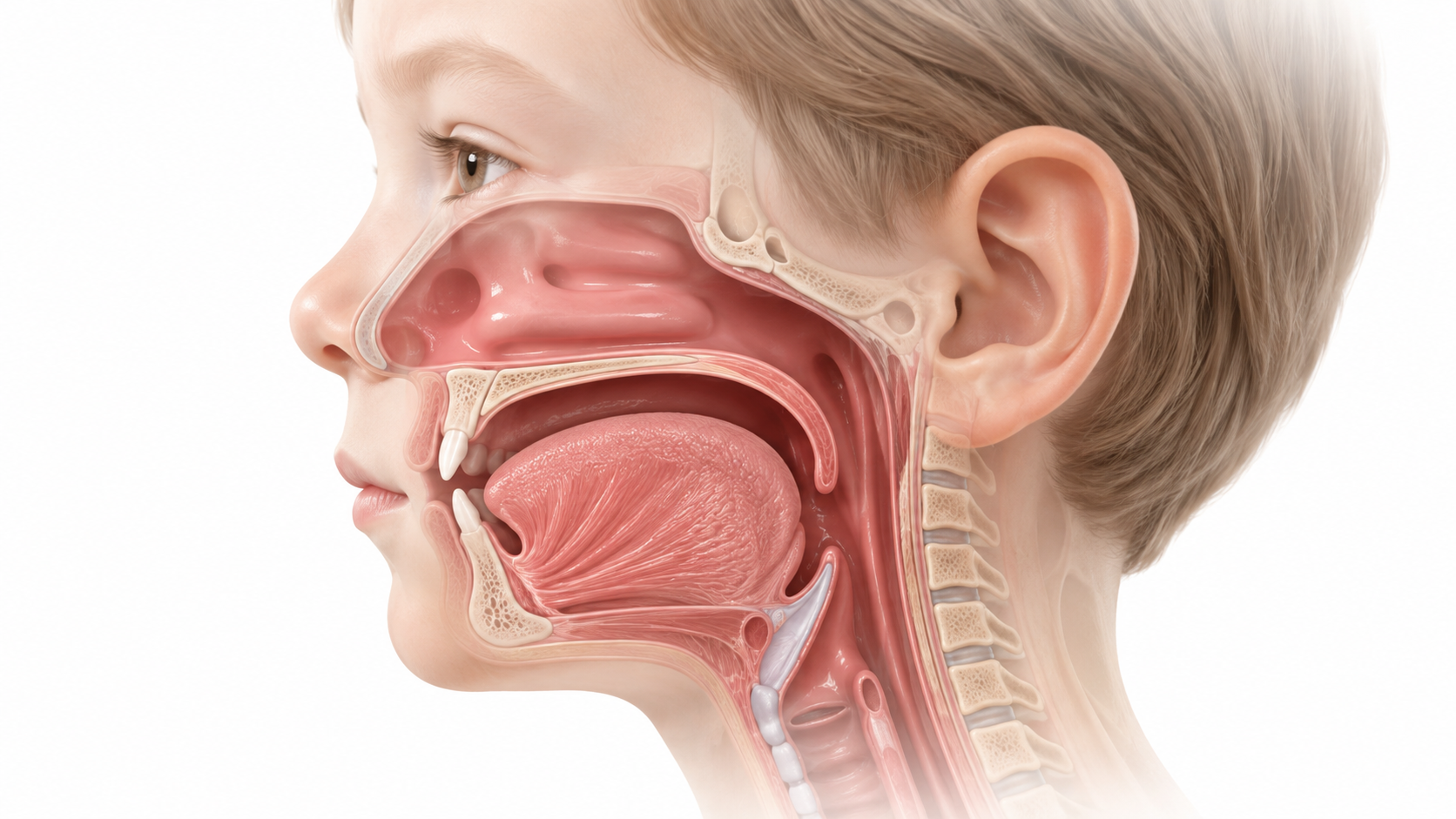
The roof of the mouth is the floor of the nose, which is why maxillary development can influence nasal breathing and airway function.
The roof of the mouth is the floor of the nose.
This simple anatomical truth is one of the most important concepts in airway-focused orthodontics. When the upper jaw is narrow, the nasal floor may also be narrow. This can increase resistance to nasal breathing and contribute to compensatory mouth breathing.
Dr. Bockow explained that when the palate is expanded properly, the floor of the nose can also widen. This may improve nasal airflow, reduce resistance, and support a healthier airway system.
This matters because nasal breathing influences:
- Sleep quality
- Tongue posture
- Lip seal
- Facial growth
- Orofacial muscle balance
- Airway stability
- Craniofacial development
- Speech and oral function
- Orthodontic stability
- Whole-body health
Maxillary expansion is no longer only an orthodontic tool. It is an airway and health tool when used appropriately.
The Physics of Nasal Breathing
Dr. Bockow explained nasal airflow using a simple but powerful concept: resistance.
When the nasal passages are narrow, the body has to work harder to breathe through the nose. This increased resistance can create negative pressure and may increase collapsibility in the back of the throat.
In other words, a narrow nasal floor may affect more than the nose. It may influence the entire upper airway.
When expansion opens the nasal floor and internal nasal valve area, even small changes can have a significant functional impact. In airway care, millimeters matter.
This is why clinicians should pay attention to nasal breathing, not only dental alignment.
Orthodontic Expansion vs. Orthopedic Expansion
Not all expansion is the same.
Dr. Bockow made an important distinction between orthodontic expansion and orthopedic expansion.
Orthodontic expansion primarily tips teeth outward. This may create the appearance of a wider arch, but it may not create true skeletal change.
Orthopedic expansion aims to open the suture and create skeletal change in the maxilla. This is the type of expansion that is more likely to influence the nasal floor and airway dimensions.
This distinction matters because patients may undergo “expansion” but still not experience improved nasal breathing if the expansion was primarily dental tipping.
For airway-focused providers, the key question is not simply, “Was the patient expanded?”
The better question is:
Was the expansion dental, skeletal, or both?
Why Appliance Design Matters
The type of appliance matters.
Some appliances primarily move teeth. Others are designed to create more true sutural change. The patient’s age, sutural development, appliance design, anchorage, and clinical goals all influence the outcome.
If the goal is to improve nasal breathing, reduce nasal resistance, and create more tongue space, the provider must consider whether the appliance can achieve skeletal expansion.
This is why interdisciplinary communication is essential.
Myofunctional therapists and dentists do not need to become orthodontists, but they do need to understand that not every appliance produces the same result.
When Expansion Does Not Improve Nasal Breathing
Some patients report that they had expansion, but their nasal breathing did not improve.
Dr. Bockow explained that this may happen when the appliance tipped the teeth without opening the suture. In those cases, the dental arch may appear wider, but the nasal floor may not have changed enough to influence function.
Clinically, this may show up as:
- Persistent mouth breathing
- No improvement in nasal breathing
- Dental tipping
- Roots pushed toward or outside the bone
- Hanging palatal cusps
- Unstable occlusion
- Continued tongue space limitation
- Continued airway symptoms
In some cases, orthodontic correction may be needed to undo the tipping before true skeletal expansion can be attempted.
Expansion Is Not a Panacea
One of the most important points from Dr. Bockow’s presentation is that expansion does not solve every airway or orthodontic problem.
A patient may have adequate transverse width but still lack tongue space because the jaws are too far back or the vertical dimension is excessive.
This is especially important in patients with:
- Vertical maxillary excess
- Mandibular retrognathia
- Open bite
- Class II skeletal patterns
- Class III skeletal patterns
- Lip incompetence
- Long-face growth patterns
- Tongue space limitation
- Sleep-disordered breathing symptoms
You cannot expand your way out of every vertical or anterior-posterior problem.
A complete diagnosis is essential.
Tongue Space and the “Tongue Thrust” Conversation
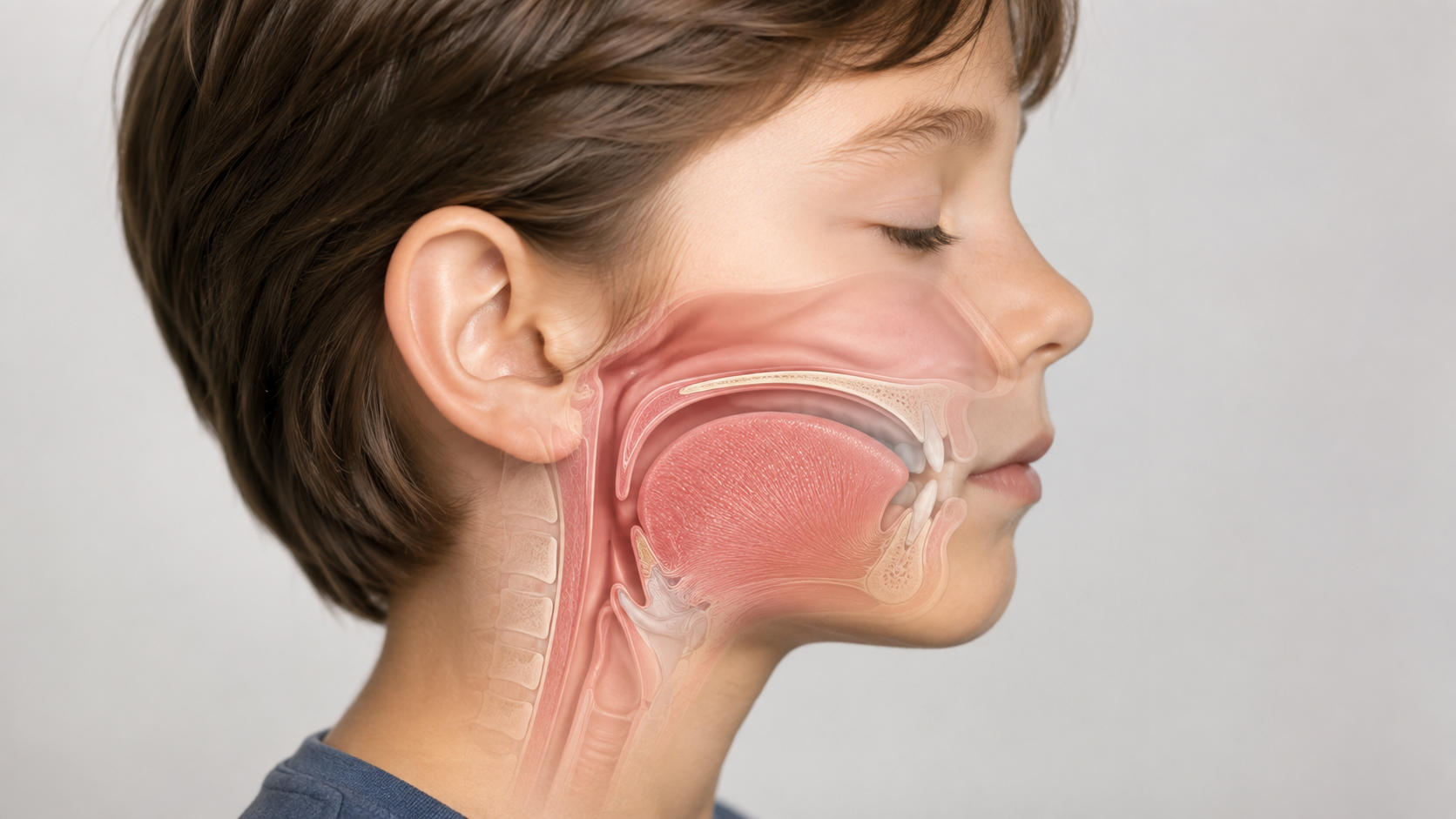
The tongue may move forward, low, or between the teeth when it does not have enough space to rest comfortably.
Dr. Bockow offered an important reframing of the term “tongue thrust.”
Many patients are referred to myofunctional therapy for tongue thrust, but the tongue may not be “thrusting” with intention. In many cases, the tongue is trying to find space.
The tongue is like a water balloon. It has volume, and it needs somewhere to go.
If the palate is too narrow, the jaws are too far back, the vertical dimension is limited, or the airway is compromised, the tongue may move forward, low, or between the teeth because it does not have a comfortable resting place.
This means clinicians should avoid blaming the tongue before asking why the tongue is behaving that way.
Possible causes may include:
- Nasal obstruction
- Enlarged tonsils
- Narrow maxilla
- Retruded jaws
- Open bite
- Deep bite
- Restricted tongue mobility
- Low tongue posture
- Mouth breathing
- Lack of oral volume
The tongue often tells the story of the space available.
Form Follows Function
During the conversation, Dr. Bockow emphasized that form follows function.
The muscles of the lips, tongue, cheeks, and perioral system help guide jaw growth and oral development. When lips are apart, the tongue rests low, and the mouth is open, growth may be directed downward and backward rather than forward and balanced.
When lips can come together and the tongue can rest up in the palate, the system is more likely to support healthy growth patterns.
This does not mean structure is irrelevant. Form and function influence each other.
But it does mean that early function matters deeply.
Early Intervention Does Not Always Mean Orthodontic Intervention
One of the most clinically important distinctions Dr. Bockow made is that early intervention does not always mean early orthodontic appliances.
Early intervention may mean asking better questions and addressing the drivers of dysfunction.
For a young child with chronic mouth breathing, early intervention may include:
- ENT referral
- Allergy evaluation
- Sleep screening
- Tonsil and adenoid evaluation
- Myofunctional therapy when age appropriate
- Feeding and oral function support
- Habit correction
- Pacifier or digit-sucking reduction
- Bodywork when indicated
- Lip seal support
- Nasal breathing support
- Monitoring craniofacial growth
In other words, early intervention means identifying dysfunction early and supporting healthier growth.
Sometimes that involves orthodontics. Sometimes it starts with airway, habits, function, or medical care.
How Early Should Children Be Evaluated?
The American Association of Orthodontists recommends that children be seen by an orthodontist by age seven, not necessarily at age seven.
Dr. Bockow emphasized that there is no strict lower age limit for evaluation. The decision depends on the child’s symptoms, maturity, level of dysfunction, and ability to tolerate care.
Some children may need evaluation very early if they show signs such as:
- Chronic mouth breathing
- Severe crowding
- Crossbite
- Open bite
- Speech challenges
- Low tongue posture
- Poor lip seal
- Narrow palate
- Sleep-disordered breathing symptoms
- Difficulty chewing or biting
- Significant functional impairment
With modern digital design and 3D-printed appliances, clinicians are no longer limited to waiting for adult molars to erupt before considering expansion.
Why Transverse Growth Matters Early
Dr. Bockow discussed that some orthodontic texts suggest transverse maxillary growth is largely complete very early in childhood, sometimes around age four, with additional changes occurring as molars erupt.
This makes early evaluation important.
If a child has a narrow maxilla, waiting too long may mean missing a window to guide growth more easily.
The earlier we can support nasal breathing, tongue posture, lip seal, and proper oral function, the better opportunity we may have to encourage more favorable growth patterns.
Maxillary Protraction and Growth Direction
Dr. Bockow also discussed anterior-posterior growth and maxillary protraction.
In growing children, maxillary protraction may be used in selected cases to encourage forward growth of the upper jaw. She explained that protraction is more predictable when done earlier, especially in younger children.
For class III cases, protraction may be especially relevant when the upper jaw is deficient.
However, timing matters. If done too late or without proper diagnosis, unwanted dental movements may occur. In some cases, anchorage and appliance design become critical.
This is another example of why orthodontic airway care must be individualized.
Vertical Growth and Mouth Breathing
Vertical growth patterns are commonly seen in children with chronic mouth breathing.
When the mouth stays open and the tongue rests low, the lower jaw may posture down and back. Over time, this can contribute to downward and backward growth of the jaws.
Clinically, this may show up as:
- Long-face growth pattern
- Lip incompetence
- Open-mouth posture
- Gummy smile
- Mouth breathing
- Open bite
- Narrow palate
- Poor tongue posture
- Sleep-disordered breathing symptoms
The earlier clinicians can support lips together, tongue up, and nasal breathing, the better chance the child may have to redirect growth in a healthier direction.
Lower Jaw Growth, Trauma, and Asymmetry
Dr. Bockow also discussed the condyle as a growth center for the lower jaw.
Trauma to the lower jaw in childhood may affect mandibular growth. Falls, sports injuries, facial trauma, chin injuries, or early impacts may influence growth direction and asymmetry.
She also discussed how habits such as digit sucking or lower lip entrapment may influence jaw posture and development over time.
For clinicians, this reinforces the importance of taking a detailed history.
Ask about:
- Falls
- Facial trauma
- Chin injuries
- Sports injuries
- Torticollis
- Digit sucking
- Pacifier use
- Lower lip biting
- Lower lip entrapment
- Asymmetrical chewing
- Crossbite
- Jaw shifts
The earlier asymmetry is identified, the better chance providers may have to guide growth.
Crossbite and Asymmetrical Mandibular Growth
A narrow maxilla can cause a child to shift the jaw to one side in order to bite.
If that jaw shift becomes habitual during growth, it may influence mandibular development and contribute to asymmetry.
This is one reason early expansion can be important in selected children with crossbite.
Correcting the transverse discrepancy may help the child bite more evenly and reduce functional shifts that could influence growth.
Retention After Expansion
Retention after expansion is a complex topic.
Dr. Bockow explained that the tongue may be the best retainer when it rests properly in the palate. However, many patients still require orthodontic retention.
The challenge is choosing retention that maintains the expansion while still allowing proper tongue posture and palatal contact.
Removable retainers may allow the tongue to access the palate when the retainer is out. Fixed retainers may be needed in some cases for orthodontic reasons.
There is not one perfect answer for every patient.
Retention should consider:
- Orthodontic stability
- Tongue posture
- Nasal breathing
- Palatal seal
- Periodontal health
- Occlusion
- Patient compliance
- Growth stage
- Risk of relapse
This is another reason why myofunctional therapists and orthodontists should communicate during and after expansion.
The Tongue as the Best Retainer
When the tongue rests properly in the palate, it provides gentle functional support to the maxilla.
However, the tongue can only support what it can reach.
If the maxilla is too narrow, the tongue may not have enough room. If the patient mouth breathes, the tongue may rest low. If the patient has an oral restriction, the tongue may not elevate properly. If the patient has poor awareness or low tone, they may need therapy.
This is where myofunctional therapy becomes essential.
Myofunctional therapy can support:
- Nasal breathing
- Tongue-to-palate rest posture
- Lip seal
- Swallowing
- Chewing
- Oral awareness
- Post-expansion adaptation
- Long-term stability
- Functional carryover
Expansion creates space. Therapy helps the patient use it.
Timing of Myofunctional Therapy
When should myofunctional therapy happen?
Dr. Bockow’s answer was clear: before, during, and after, when possible.
Proper tongue posture, nasal breathing, and lip seal are always beneficial.
However, in patients with limited time or resources, therapy may be most impactful after the expander comes out because there is more space for the tongue to function.
The timing should be individualized.
Before expansion, therapy may focus on:
- Awareness
- Nasal hygiene
- Lip seal
- Breathing
- Readiness
- Oral habits
- Basic tongue mobility
During expansion, therapy may focus on:
- Nasal breathing
- Lip seal
- Oral awareness
- Tongue adaptation
- Breathing patterns
- Supporting comfort and compliance
After expansion, therapy may focus on:
- Tongue-palate rest posture
- Swallowing
- Chewing
- Speech-related patterns
- Palatal seal
- Long-term habituation
- Retention support
The key is not forcing function before space exists.
Why You Should Not Force the Tongue Back
In some patients, asking the tongue to rest on the spot or swallow with the tongue tip up before there is enough space may be ineffective or uncomfortable.
Patients may feel like they are choking because the tongue does not have enough room.
This is especially relevant in patients with narrow arches, retruded jaws, deep bites, enlarged tonsils, nasal obstruction, or limited oral volume.
Myofunctional therapy should meet the patient where they are.
The goal is not to force a pattern into a system that cannot support it. The goal is to help create the conditions where function becomes possible.
Expansion and Ear Health
One of the fascinating topics Dr. Bockow discussed was the relationship between maxillary expansion and Eustachian tube dysfunction.
In young children, the Eustachian tubes are more horizontal. As the face grows down and forward, drainage can improve. But in children with high, narrow palates, enlarged adenoids, mouth breathing, or altered craniofacial growth, ear drainage may be affected.
Emerging research suggests that maxillary expansion may help improve Eustachian tube function in some children.
This may be relevant for children with:
- Recurrent ear infections
- History of ear tubes
- Eustachian tube dysfunction
- Adenoid issues
- High palate
- Mouth breathing
- Nasal obstruction
This does not mean expansion replaces ENT care. It means craniofacial development and airway function may be part of the ear health conversation.
Expansion and Nocturnal Enuresis
Dr. Bockow also discussed research connecting maxillary expansion and nocturnal enuresis, or bedwetting.
Some studies have shown that expansion may improve bedwetting in children who have not responded to other treatment, especially after age five.
Tonsillectomy has also been associated with improvement in some children.
This is another reminder that sleep, airway, craniofacial development, and whole-body health are connected.
When a child presents with persistent bedwetting, clinicians should consider whether airway and sleep-disordered breathing symptoms are also present.
Expansion, Tonsils, Adenoids, and Airway
Maxillary expansion may influence more than the palate.
Dr. Bockow discussed research showing that expansion may be associated with reductions in adenoid and tonsil size in some children. This may happen as nasal breathing improves and the airway system becomes less inflamed or less burdened.
This is a powerful example of how structure and function influence each other.
The goal is not to assume expansion replaces tonsil or adenoid treatment. The goal is to understand that the airway system works together.
MARPE, DOME, and Adult Expansion
In non-growing patients, maxillary expansion becomes more complex.
Dr. Bockow discussed MARPE, or miniscrew-assisted rapid palatal expansion, and DOME, or distraction osteogenesis maxillary expansion, as tools used in adult or non-growing patients.
MARPE has evolved significantly with custom designs, improved TAD placement, stronger jackscrews, and better 3D planning. These advances are improving success rates and reducing unwanted side effects.
DOME may be used when surgical assistance is needed, especially in adult patients where the suture is less likely to open predictably.
The field is evolving rapidly, and indications may continue to change as more research is published.
Adult Expansion and Bite Correction
Adult expansion can create meaningful skeletal change, but posterior bite correction can be challenging afterward.
Dr. Bockow explained that even when skeletal expansion is achieved, some dental tipping may still occur. The palatal cusps may hang low, and the lower teeth may need to be uprighted.
Orthodontic finishing may require braces, aligners, root torque, and careful posterior occlusal correction.
This is important for myofunctional therapists and referring providers to understand. Expansion is not finished when the expander is removed. The bite often needs careful orthodontic refinement.
The Role of Bite Plates in Deep Bite Cases
Deep bite patients may have limited oral space and mandibular restriction.
Dr. Bockow discussed the use of bite plates to open the bite and allow the mandible to come down and forward. This can also help address lower lip entrapment and support growth in selected cases.
For myofunctional therapists, this is clinically relevant because some deep bite patients may show improvement in oral function once vertical space is increased.
Sometimes the myofunctional issue is not only muscular. It is structural.
Empty Nose Syndrome and Expansion
During the discussion, empty nose syndrome was raised as a concern because many adults are hesitant about nasal surgery.
Dr. Bockow explained that in her experience, she has not seen empty nose syndrome from MARPE. Empty nose syndrome is generally discussed as a small risk associated with certain nasal surgeries, not expansion.
This distinction may help patients better understand the difference between nasal soft tissue surgery and maxillary skeletal expansion.
Clinical Questions for Healthcare Professionals
When evaluating a patient for airway, orthodontic, or myofunctional concerns, clinicians may consider asking:
- Is the palate narrow or high?
- Is the patient a nasal breather or mouth breather?
- Is there a crossbite or functional jaw shift?
- Does the patient have tongue space?
- Does the patient feel like the tongue has nowhere to go?
- Is the tongue forward because it is compensating for lack of space?
- Is there a vertical or anterior-posterior skeletal issue?
- Is the patient growing downward and backward?
- Are lips able to close at rest?
- Are tonsils or adenoids contributing to obstruction?
- Is there a history of ear infections or Eustachian tube dysfunction?
- Is there bedwetting after age five?
- Is there lower lip entrapment or digit sucking?
- Has prior expansion caused dental tipping instead of skeletal change?
- Does the patient need myofunctional therapy before, during, or after orthodontics?
- Is the expander creating true skeletal change, or only tipping teeth?
These questions help providers move beyond “Does this patient need braces?” and toward “What does this patient need for healthy growth and function?”
Key Takeaways for Healthcare Professionals
- Maxillary expansion is no longer only about correcting crossbites or crowding.
- The roof of the mouth is the floor of the nose, and expansion may support nasal breathing by widening the nasal floor and reducing resistance.
- Orthodontic expansion and orthopedic expansion are not the same. Dental tipping does not provide the same functional impact as true skeletal change.
- Expansion is not a solution for every airway problem. Vertical and anterior-posterior skeletal issues must also be diagnosed.
- The tongue often compensates for lack of space. “Tongue thrust” should be evaluated in the context of airway, structure, and oral volume.
- Form follows function, and early function can influence growth direction.
- Early intervention may include ENT care, allergy evaluation, habit correction, myofunctional therapy, sleep screening, or orthodontic evaluation.
- The tongue may be the best retainer, but only when it has enough space and function to rest properly in the palate.
- Myofunctional therapy is valuable before, during, and after expansion, depending on the patient’s needs.
- MARPE and DOME are evolving tools for adult expansion, but patient selection and orthodontic finishing are critical.
- Expansion may influence nasal breathing, tongue space, ear health, sleep, bedwetting, and whole-body health.
The Airway Circle Perspective

Expansion works best when providers collaborate across orthodontics, airway, oral function, sleep, growth, and myofunctional therapy.
At Airway Circle, we believe maxillary expansion should be understood through a functional, interdisciplinary, and health-focused lens.
Dr. Rebecca Bockow’s presentation reminds us that expansion is not simply an orthodontic procedure. It is part of a broader conversation about nasal breathing, tongue posture, sleep, growth, oral function, periodontal health, joint health, and long-term stability.
The orthodontist cannot do this work alone.
The myofunctional therapist cannot do this work alone.
The ENT, dentist, sleep provider, bodyworker, speech therapist, and pediatric provider all bring important pieces to the clinical picture.
When providers collaborate, patients receive care that looks beyond teeth and supports the whole system.
Final Thoughts
Maxillary expansion is a disruptor because it changes the questions we ask.
Instead of asking only, “Are the teeth straight?” we begin asking:
- Can the patient breathe through the nose?
- Does the tongue have space?
- Can the lips close comfortably?
- Is growth moving in the right direction?
- Is the bite supporting function?
- Is the airway stable?
- Is the system balanced?
For children, expansion may offer an opportunity to guide growth earlier and support better airway function.
For adults, expansion may offer an opportunity to address skeletal limitations that have affected breathing, tongue space, sleep, and oral function for years.
The future of orthodontics is not only about alignment.
It is about airway, function, growth, and health.
Need Guidance With Airway, Expansion, or Myofunctional Therapy?
Finding the right support for airway health, nasal breathing, maxillary expansion, sleep, tongue function, oral restrictions, or orthodontic concerns does not have to feel overwhelming. With the right guidance, patients and providers can better understand the clinical picture and explore the next best steps.
Whether care involves myofunctional therapy, airway-focused orthodontics, ENT evaluation, sleep testing, maxillary expansion, tongue-tie assessment, habit correction, or referrals to the right provider, the goal is to improve function and quality of life.
Your journey to better breathing, better sleep, and better oral function starts here.